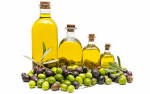
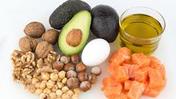
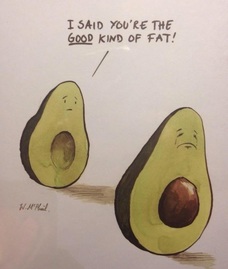
Last week, I wrote about the sugar industry and how they demonized fats in order to take the spotlight off of the dangers of sugar in the diet. Now you need to hear the "skinny" about fats. Fats are one of the 3 macronutrients, along with proteins and carbohydrates that keep our bodies functioning properly. Weight issues are often blamed on fats. We are told that if we simply eliminated fats from our diet, we would be healthier. However, not all fats are created equal. Fats are an important part of a healthy diet and we need them for optimal health. They provide essential fatty acids, keep our skin soft, deliver fat-soluble vitamins, and are a great source of energizing fuel. Let's take a look at the different types of fats - the good, the bad, and the ugly.
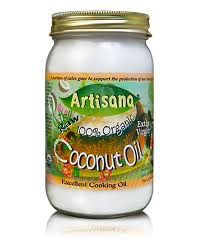
SATURATED FATS These fats are stable at higher temperatures and are less likely to be damaged during cooking. The body needs saturated fat. Our liver uses these to manufacture cholesterol, which is an important component of our cell membranes. These fats actually improve your overall cholesterol profile in the face of a low-carb diet by lowering triglycerides, raising HDL, and decreasing the small, dangerous LDL particles. Saturated fats include animal fats, dairy fats, and oils like coconut (my favorite!) and palm.
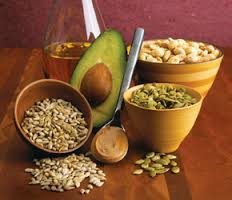
UNSATURATED FATS When these fats are eaten in moderation and used to replace trans fats, they can actually help to lower cholesterol, ease inflammation, and reduce your risk of heart disease. There are two types of unsaturated fats: monounsaturated and polyunsaturated:
Polyunsaturated fats increase good cholesterol and contain the essential fatty acids that we want as part of our diet. Essential fatty acids are those fats that are not made in the body and that are essential for us to consume in our diet. These heart-healthy polyunsaturated fats are called omega-3 and omega-6 fatty acids. A diet consisting of a ratio between 2:1 and 4:1 of omega-6 to omega-3 is recommended. Nearly all chemical communication throughout the body depends in part on the correct balance between omega-6 and omega-3 fatty acids.
References:
Haas, E. (2006). Staying healthy with nutrition. Berkeley, CA: Celestial Arts. Hyman, M. (2016). Eat fat, get thin. New York, NY: Little, Brown, & Company. Hyman, M. (2012). The blood sugar solution. New York, NY: Little, Brown, & Company. Knuteson, M. (2013). Coconut oil. Retrieved from: http://herballegacy.com/Coconut%20Oil.pdf Murray, M. (2005). The encyclopedia of healing foods. New York, NY: Atria Books. Wood, R. (2010). The new whole foods encyclopedia. New York, NY: Penguin Books.
3 Comments
 Last week, The New York Times wrote an alarming article about the sugar industry. The article reveals that the sugar industry paid off three Harvard scientists back in the late 60s to play down the link between sugar and heart disease and frame saturated fat as the culprit instead. Americans took this advice, shaped by the sugar industry, and our health has been impacted ever since. How did this misleading information from the 60s come to affect so many Americans? In 1982, The American Heart Association, the American Medical Association, and the U.S. Department of Agriculture urged Americans to reduce our intake of fats. And we did. Since that time our consumption of fats has decreased and our country’s obesity levels have increased in spades. We are an overweight, yet malnourished society. There are many problems with our Standard American Diet (S.A.D. – how fitting is this acronym?) today. We are eating more processed foods that are full of oxidized vegetable oils, additives, and preservatives. However, the biggest issue with our SAD diet is that it is full of sugar. We consume low-fat, high-sugar foods that some experts blame for fueling the obesity crisis. Processed foods today contain more sugar and fewer nutrients that ever before. Excess sugar consumption increases blood triglycerides and inhibits immune function. Sugar is added to virtually every processed food, limiting consumer choice. How can we avoid it? Approximately 80% of the 600,000 plus packaged food products in the United States have added caloric sweeteners. We expect to find sugar in the usual suspects like cake, candy, and cookies. So when we want to have a special treat, this is something we may chose to consume. However, it is strategically placed in canned vegetables, baby foods, cereals, breads, peanut butter, crackers, and condiments – and the list goes on. Added sugar has become so pervasive within the food environment that we can hardly avoid it even if we wanted to.
How much sugar should we have per day? The American Heart Association has set recommended guidelines for Americans – women should have no more than 6 teaspoons a day and men no more than 9 teaspoons per day. One can of soda has 10 teaspoons of sugar. Let me emphasize that…Americans would have reached the maximum amount of sugar allowed for the day indulging in this one drink. To learn ways to get the sugar out, take a look at a previous blog I wrote about this topic. Join me next week for a discussion on the truth about fats. Sources:
Hyman, M. (2016). Eat fat, get thin. Little, Brown, & Company. Lustig, R. (2013). Fat chance. Hudson Street Press. New York Times. (2016). How the sugar industry shifted blame to fat. Retrieved from: http://www.nytimes.com/2016/09/13/well/eat/how-the-sugar-industry-shifted-blame-to-fat.html. Prep time: 15 minutes Cook time: 15 minutes Serves: 6 This dish is tasty all on its own, but it could be served on top of sprouted rice or quinoa for a heartier version. Garnishing with chopped almonds gives it a nutty, crunchy texture…a mouth-full of yum!
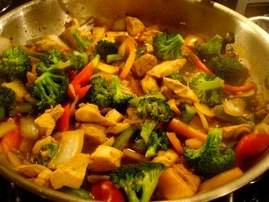
Sauce: 1/4 cup raw almond butter 3 tablespoons tamari or coconut aminos 2 tablespoons raw, local honey 1-inch gingerroot, minced 1 clove garlic, minced 1 teaspoon crushed red pepper flakes ½ orange, juiced Make the stir-fry: Heat oil in large nonstick skillet or wok over medium-high heat. Add chicken, garlic, and onion. Stir fry for 3 minutes. Add remaining vegetables and stir-fry 5 minutes more. Make the sauce: Heat all of the sauce ingredients together in a small sauce pan over low heat, stirring until all ingredients are combined. Pour sauce evenly over chicken and vegetables and stir to combine. Garnish with chopped almonds. Source: Adapted from Rachael Ray 30-minute Meals Get Togethers Health benefits of this dish: Broccoli – a member of the cruciferous family that demonstrates remarkable anticancer effects, particularly in breast cancer. Broccoli is also a rich source of lutein, which has also shown anticancer effects. In addition, it may be helpful with eyesight, preventing the development of age-related macular degeneration. Broccoli supports the liver, spleen, stomach, and bladder; it exhibits anticancer, antifungal, antiviral, and antibacterial properties due in part to its immune-boosting glucosinolates. Broccoli contains twice the vitamin C as an orange and is a great source of vitamins A and K. It has almost as much calcium as whole milk and its calcium is better absorbed. In addition, it has value as an antioxidant as it contains selenium and vitamin E.
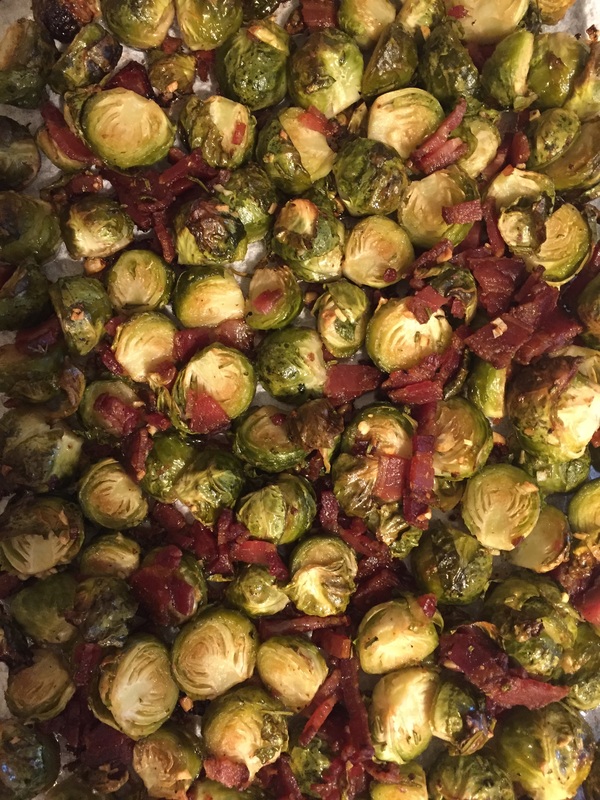
Carrots – nourish almost every system in the body, but are especially beneficial for the liver, lungs, and stomach. Carrots help with intestinal gas and parasites, help prevent constipation, stabilize blood sugar, and treat indigestion. They are the best source of beta-carotene and help improve night vision. They are an excellent source of antioxidant compounds that help protect against cardiovascular disease and cancer. Extensive human studies suggest that a diet including as little as one carrot per day could conceivably cut the rate of lung cancer in half! Garlic – stimulates metabolism, improves digestion, and is used for both chronic and acute disease. It is anti-bacterial, anti-carcinogenic, and anti-fungal. Garlic also helps to stabilize blood sugar levels and promotes the growth of healthy intestinal flora. It is truly a remarkable medicinal plant. There are many therapeutic effects of garlic: helps lower total serum cholesterol levels and high blood pressure, helps with diabetes, Candida infections, asthma, respiratory tract infections and gastrointestinal complaints. It is a good source of vitamin B6, manganese, selenium, and vitamin C and the minerals phosphorous, calcium, potassium, iron, and copper. Chopping or crushing garlic stimulates an enzymatic process, which many of garlic’s benefits are attributed. Onions – have antioxidant, anti-inflammatory, antibiotic, and antiviral properties and help remove parasites and heavy metals from the system. They help treat the common cold, constipation, heart disease, and diabetes. Good source of vitamins C, B1, B6, K, folic acid, biotin, chromium, dietary fiber, and the flavonoid quercetin. Like garlic, it decreases blood lipid levels, prevents clot formation, and lowers blood pressure. Has significant blood sugar-lowering action. Liberal use of Allium species (garlic, leeks, onions) has healing effects for diseases like atherosclerosis, diabetes, and cancer. Portabella mushroom – mushrooms are a rich source of glutamic acid and enhance the flavor of any savory food. They are high in protein and a good source of vitamin B2 and zinc. Red bell pepper – nutrient dense vegetable. Contains zeaxanthin, which helps prevent cataracts. Excellent source of vitamin C, beta-carotene, vitamin K, thiamine, folic acid, and vitamin B6. Scallion – has anti-fungal and anti-microbial effects. The green part of the scallion is high in vitamin A. The bulb contains vitamins A, B-complex, and C along with calcium, magnesium, and potassium. References: Murray, M. (2005). The encyclopedia of healing foods. New York, NY: Atria Books. Wood, R. (2010). The new whole foods encyclopedia. New York, NY: Penguin Books. Are you looking for a healthy side dish for dinner, but your family resists eating vegetables? Well, look no further. The entire family will love this recipe because everything tastes better with bacon! There are not many ingredients involved in this recipe and it is simple to make. Be sure to use the highest quality meats and organic vegetables. I get my Brussels sprouts and bacon at the local farmer's market. Brussels sprouts are a member of the cabbage family and are nutrient-dense. They are an excellent source of folic acid, vitamins C and K, and beta-carotene. They are also a very good source of vitamin B6, fiber, thiamine, and potassium and contain numerous cancer-fighting phytochemicals (glucosinolates). Besides being nutritious, they are also delicious! Bet you didn't know I was also a poet. Prep time: 30 minutes Cook time: 40-45 minutes Serves: 5
Preparation:
Sources: Adapted from Everyday Paleo by Sarah Fragoso.
Murray, M. The encyclopedia of healing foods. |